
Organizations that excel at performance alignment achieve 3.5 times greater profitability than their competitors. Yet many strategic leaders struggle to connect ambitious goals with daily execution. This guide reveals how to bridge that gap using KPI linkage, real-time analytics, and structured frameworks that transform strategy into measurable results. You'll discover practical methods to align teams, leverage technology, and sustain performance improvements that directly impact your bottom line.
Table of Contents
- Understanding performance alignment: definition and core principles
- How real-time analytics drives effective performance alignment
- Common misconceptions about performance alignment
- Frameworks and best practices for achieving and maintaining alignment
- Technology as an enabler: KPI management platforms and AI insights
- Bridging strategy to execution: practical steps for B2B leaders
- Discover Outsprinter: your partner in performance alignment
Key takeaways
| Point | Details |
|---|---|
| Alignment drives profits | Companies with aligned goals are 3.5 times more profitable than those without clear linkage between strategy and execution. |
| Real-time data enables action | Continuous KPI monitoring through dashboards allows leaders to detect issues early and adjust course proactively. |
| KPIs alone aren't enough | Only 40% achieve true alignment through metrics alone; communication and leadership engagement are equally critical. |
| Frameworks sustain success | Iterative cycles of sprint planning, feedback loops, and adaptive KPI management maintain alignment over time. |
| Technology accelerates results | AI-powered platforms reduce forecasting errors by 10% and deliver 30% higher ROI through integrated data insights. |
Understanding performance alignment: definition and core principles
Performance alignment connects your strategic objectives with measurable KPIs across every level of your organization. When executed properly, it creates shared accountability where each team member understands how their work contributes to company-wide goals. Research confirms that organizations with aligned goals are 3.5 times more profitable than those lacking this connection.
The power of alignment lies in its ability to translate abstract strategy into concrete action. Instead of aspirational mission statements that gather dust, aligned organizations use specific metrics to track progress weekly. High-performing leadership teams recognize this distinction and use KPIs differently than average performers.
Core principles include establishing clear strategic goals that cascade down through departments. Each level requires its own relevant KPIs that ladder up to broader objectives. Leaders must demonstrate visible commitment by regularly reviewing metrics and adjusting resources based on performance data.
Successful alignment depends on several prerequisites:
- A clearly defined strategic plan with specific, measurable objectives
- Leadership commitment to transparency and data-driven decision-making
- Cross-functional communication channels that break down silos
- Technology infrastructure supporting real-time data collection and reporting
- Cultural acceptance of accountability and continuous improvement
Building effective KPIs forms the foundation of this system. Without proper metrics design, even the best intentions fail to produce measurable outcomes. The key is turning strategy into weekly goals that teams can actually execute and track.
How real-time analytics drives effective performance alignment
Real-time KPI dashboards revolutionize how leaders monitor and respond to performance trends. Unlike monthly reports that show historical data when it's too late to act, continuous monitoring enables immediate course correction. Studies show 70% of high performers use real-time dashboards compared to only 30% of average companies.

The competitive advantage comes from early detection. When a critical KPI begins trending downward, real-time visibility allows managers to investigate causes and implement fixes within days rather than weeks. This responsiveness prevents small issues from becoming major problems that derail quarterly objectives.
Leadership decision-making accelerates dramatically with instant access to performance data. Dashboards accelerate decision-making by 15% because executives spend less time gathering information and more time analyzing implications. Speed matters in dynamic B2B markets where customer needs and competitive threats shift rapidly.
Effective analytics platforms deliver several critical features:
- Role-based dashboards showing relevant metrics for each leadership level
- Automated alerts when KPIs deviate beyond acceptable thresholds
- Trend analysis highlighting patterns before they become obvious
- Predictive forecasting using historical data to anticipate future performance
- Mobile access enabling decisions from anywhere
Platforms like Outsprinter integrate these capabilities into unified interfaces that eliminate data silos. Instead of juggling multiple spreadsheets and reports, teams access comprehensive performance views in seconds. This consolidation reduces errors and ensures everyone works from the same baseline.
The statistics tell a compelling story. Organizations using real-time analytics report faster problem resolution, improved resource allocation, and stronger alignment between daily activities and strategic priorities. The technology transforms performance management from a periodic review process into a continuous optimization system.
Common misconceptions about performance alignment
Many leaders believe that simply establishing KPIs creates automatic alignment. This myth causes significant strategic failures. Research reveals only 40% achieve true alignment with KPIs alone because metrics without communication and collaboration remain disconnected numbers.
The reality requires much deeper organizational integration. KPIs serve as measurement tools, but alignment emerges from how teams interpret and act on those metrics together. When departments operate in isolation, even perfect KPIs fail to drive coordinated progress toward shared objectives.
Siloed structures represent another critical barrier. Data shows siloed departments cause 25% of strategic project failures because teams optimize for local goals rather than company-wide success. Marketing might hit lead generation targets while sales struggles with conversion, creating apparent success that masks fundamental misalignment.
Common misconceptions include:
- Assuming alignment happens automatically once goals are announced
- Believing technology alone solves organizational communication gaps
- Expecting immediate results without investing in culture change
- Thinking alignment is a one-time project rather than ongoing practice
- Overlooking the human factors that drive adoption and engagement
Leadership engagement makes the difference between success and failure. When executives actively participate in KPI reviews, ask probing questions, and visibly adjust priorities based on data, teams recognize that alignment matters. Passive leadership signals that metrics are optional theater rather than genuine performance drivers.
As one chief operating officer noted:
We spent six months building the perfect KPI dashboard, then wondered why nothing changed. The breakthrough came when our leadership team started weekly huddles reviewing the data together and making immediate decisions. The technology was necessary but not sufficient.
Understanding data transparency benefits helps overcome these misconceptions. Open access to performance information builds trust and enables teams to self-correct rather than waiting for top-down directives. Cultural barriers often prove more challenging than technical ones.
Frameworks and best practices for achieving and maintaining alignment
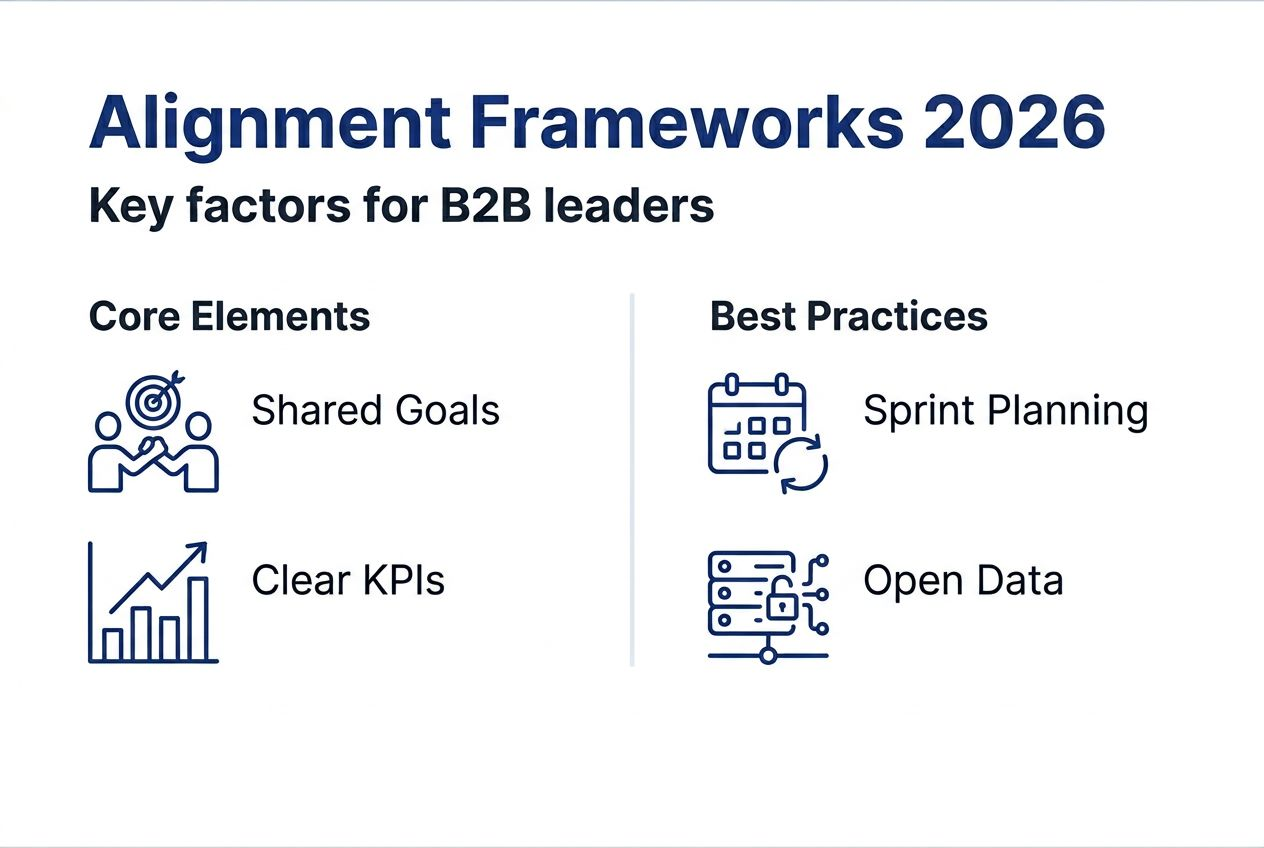
Successful alignment requires structured, repeatable processes rather than ad hoc efforts. The most effective approach follows an iterative cycle: set clear quarterly goals, execute focused sprints, review performance data, and adjust plans based on learnings. This rhythm creates momentum while allowing flexibility to respond to changing conditions.
Implementing best practices in order maximizes your alignment outcomes:
- Define measurable quarterly objectives linked directly to annual strategy
- Break objectives into weekly sprint goals with specific deliverables
- Establish KPI ownership at appropriate organizational levels
- Schedule regular feedback sessions to review progress and obstacles
- Adapt metrics and targets based on market changes and internal capabilities
- Celebrate wins and learn from misses to build continuous improvement culture
Structured frameworks dramatically improve execution speed. Studies confirm frameworks improve execution speed by 25% compared to informal approaches. The discipline of regular planning and review cycles prevents drift and maintains focus on what matters most.
Weekly sprint planning delivers measurable benefits. Research shows weekly sprint planning improves KPI adherence by 18% because teams maintain constant awareness of priorities and progress. This frequency strikes the right balance between flexibility and accountability.
| Traditional Planning | Agile Sprint-Based Alignment |
|---|---|
| Annual or quarterly reviews | Weekly progress updates |
| Static targets set at year start | Adaptive KPIs adjusted based on data |
| Departmental silos with separate metrics | Cross-functional teams with shared objectives |
| Leadership reviews after completion | Real-time visibility enabling proactive management |
| Limited mid-course correction | Continuous optimization and learning |
Cross-functional communication amplifies alignment impact. When marketing, sales, product, and operations teams share performance dashboards, they spot interdependencies and collaboration opportunities that siloed reporting obscures. Transparency builds collective ownership of results.
Pro Tip: Revisit KPI relevance quarterly to ensure metrics still reflect strategic priorities. Business conditions evolve, and yesterday's critical metrics can become misleading distractions if circumstances change.
Implementing a weekly KPI tracking guide provides tactical details for establishing these rhythms. Additionally, building KPI trees helps visualize how departmental metrics connect to enterprise objectives, making alignment tangible rather than abstract.
Technology as an enabler: KPI management platforms and AI insights
Integrated SaaS platforms transform performance alignment from manual effort into automated intelligence. Modern KPI management systems consolidate data from multiple sources, visualize trends through intuitive dashboards, and apply AI algorithms to predict future performance. These capabilities reduce administrative burden while increasing analytical sophistication.
Key platform features that drive alignment include:
- Seamless integration with existing business systems and data sources
- Customizable dashboards tailored to different roles and responsibilities
- AI-powered forecasting that identifies risks and opportunities early
- Automated alerts notifying stakeholders of significant deviations
- Collaborative tools enabling teams to discuss metrics and actions
Artificial intelligence specifically addresses forecasting accuracy challenges. Evidence shows AI reduces forecasting errors by up to 10% compared to traditional statistical methods. This improvement helps leaders allocate resources more effectively and set realistic targets based on data-driven projections rather than wishful thinking.
| Traditional KPI Tracking | Real-Time Platforms with AI |
|---|---|
| Manual data entry from multiple sources | Automated data integration |
| Static spreadsheets updated monthly | Dynamic dashboards refreshed continuously |
| Historical reporting only | Predictive analytics forecasting trends |
| Generic views for all users | Role-based customization |
| Limited collaboration features | Built-in commenting and workflow tools |
Return on investment justifies platform adoption. Research indicates integrated platforms yield 30% higher ROI than fragmented tool combinations. The efficiency gains from centralized data management and automated reporting quickly offset subscription costs.
Role-based dashboards ensure each leadership level accesses relevant information without overwhelming detail. CEOs need enterprise-wide summaries showing strategic progress. Department heads require functional metrics with drill-down capabilities. Individual contributors benefit from team-specific KPIs tied to their daily work.
Pro Tip: Choose platforms with intuitive interfaces that require minimal training. User adoption determines success more than feature lists, so prioritize tools your teams will actually use daily rather than sophisticated systems that gather dust.
Platforms like Outsprinter exemplify this integrated approach, combining KPI management, sprint planning, and AI insights into unified experiences designed specifically for performance alignment needs. The technology handles complexity behind the scenes while presenting actionable information through clean, accessible interfaces.
Bridging strategy to execution: practical steps for B2B leaders
Translating strategic vision into operational reality requires deliberate actions that connect planning with daily work. Strategic leaders must establish clear processes ensuring every team understands how their efforts contribute to company objectives. This translation process determines whether ambitious goals remain aspirational or drive measurable results.
Follow these practical steps to solidify your alignment:
- Articulate your strategic plan in specific, measurable terms that eliminate ambiguity
- Map organizational KPIs from enterprise level down through departments to teams
- Deploy real-time dashboards providing appropriate visibility for each role
- Schedule weekly leadership reviews focusing on KPI trends and corrective actions
- Maintain open communication channels where teams share obstacles and solutions
- Recognize and reward behaviors that demonstrate alignment and collaboration
Leadership's role extends beyond initial setup to ongoing engagement. Executives who regularly review dashboards, ask insightful questions about performance drivers, and visibly adjust priorities based on data signal that alignment genuinely matters. This attention creates organizational gravity pulling everyone toward shared objectives.
Accountability mechanisms ensure alignment persists beyond launch enthusiasm. Establishing clear KPI ownership at every level prevents diffusion of responsibility. When specific individuals answer for specific metrics, performance improves because ownership drives attention and problem-solving.
Transparency through role-based data access builds trust and enables self-management. When teams see how their metrics connect to broader company performance, they make better local decisions without constant supervision. This visibility transforms alignment from compliance exercise into intrinsic motivation.
Integrating methodologies like Lean Six Sigma enhances alignment by providing structured problem-solving frameworks. These approaches complement KPI management by offering tools to investigate root causes when metrics deviate and implement sustainable improvements.
Continuous adaptation separates sustained success from temporary gains. Markets shift, competitive landscapes evolve, and internal capabilities develop. Leaders must regularly reassess whether current KPIs still measure what matters most and adjust accordingly. Rigidity undermines alignment as much as chaos.
Engagement requires making data accessible and discussions inclusive. When frontline teams participate in KPI reviews and contribute improvement ideas, they develop ownership that top-down mandates never achieve. This participatory approach transforms performance management from leadership burden into collective responsibility.
Discover Outsprinter: your partner in performance alignment
Achieving real-time performance alignment requires more than good intentions and spreadsheets. Outsprinter's team performance platform provides B2B leaders with integrated tools designed specifically for connecting strategy, KPIs, and execution. The system combines comprehensive dashboards, sprint planning capabilities, and AI-powered insights into one intuitive interface.
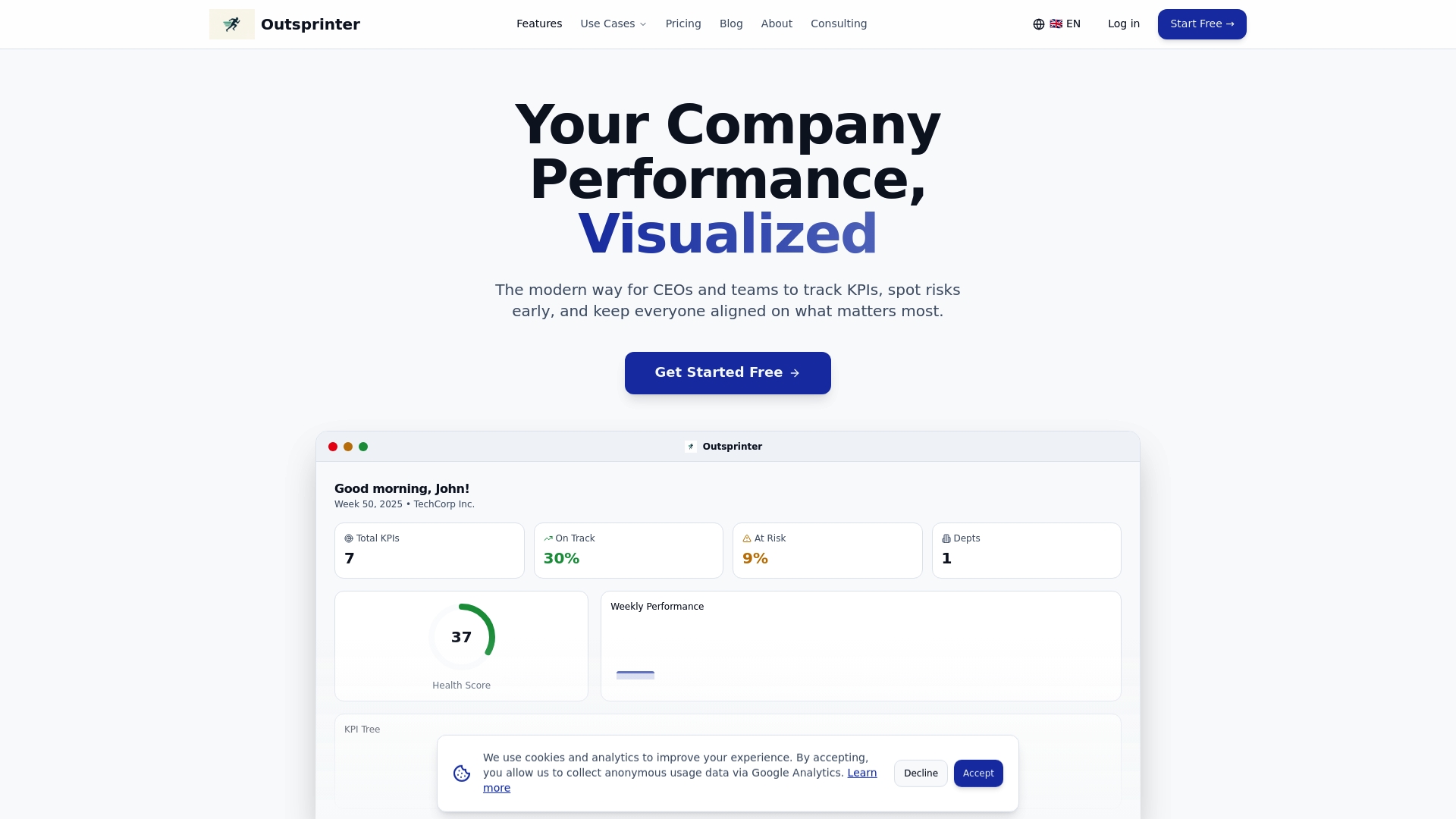
Outsprinter addresses the complete alignment cycle from goal setting through execution tracking and retrospective analysis. Role-based access ensures executives, managers, and team members each see metrics relevant to their responsibilities without information overload. Automated alerts notify stakeholders when KPIs require attention, enabling proactive management rather than reactive firefighting.
AI forecasting capabilities help leaders anticipate performance trends and allocate resources strategically. The platform's sprint management features support the iterative planning cycles that sustain alignment over time. If you're ready to transform strategic goals into measurable weekly progress, explore Outsprinter to see how technology can simplify and accelerate your performance alignment journey.
FAQ
What is the role of leadership in performance alignment?
Leaders establish strategic direction, define measurable objectives, and maintain visible commitment to data-driven decision-making. They facilitate transparency by ensuring teams access relevant performance information and create communication channels that break down silos. Leadership engagement signals that alignment genuinely matters and isn't optional theater.
How do real-time analytics improve alignment?
Real-time analytics provide continuous KPI visibility, enabling leaders to detect deviations immediately rather than weeks later. This early warning system allows proactive adjustments before small issues become major problems. Teams respond faster to changing conditions when they see performance trends as they develop rather than reviewing historical reports.
What common mistakes hinder performance alignment?
Mistakes include relying solely on KPIs without fostering communication and collaboration. Static annual plans that don't adapt to changing conditions create misalignment as circumstances evolve. Siloed departments optimizing for local goals rather than company-wide objectives undermine coordination. Poor leadership engagement signals that metrics don't actually matter despite official proclamations.
How can technology platforms aid in sustaining alignment?
Platforms centralize data from multiple sources, eliminating manual consolidation and reducing errors. Role-based dashboards customize views for different responsibilities, ensuring relevant information reaches appropriate stakeholders. AI-powered forecasting predicts trends and identifies risks early. Automated workflows and collaboration tools keep teams coordinated around shared objectives rather than working in isolation.
Recommended
- KPI Management Blog - Expert Insights & Best Practices | Outsprinter
- KPI Management Blog - Expert Insights & Best Practices | Outsprinter
- KPI Management Blog - Expert Insights & Best Practices | Outsprinter
- Outsprinter - Team Performance & Sprint Management Platform
- Machining Trends 2026: 40% Faster Lead Times + 50% Tool Life | Machining Technologies
- Corporate Event Budgeting: Maximising ROI in 2026 | Jigsaw Conferences